
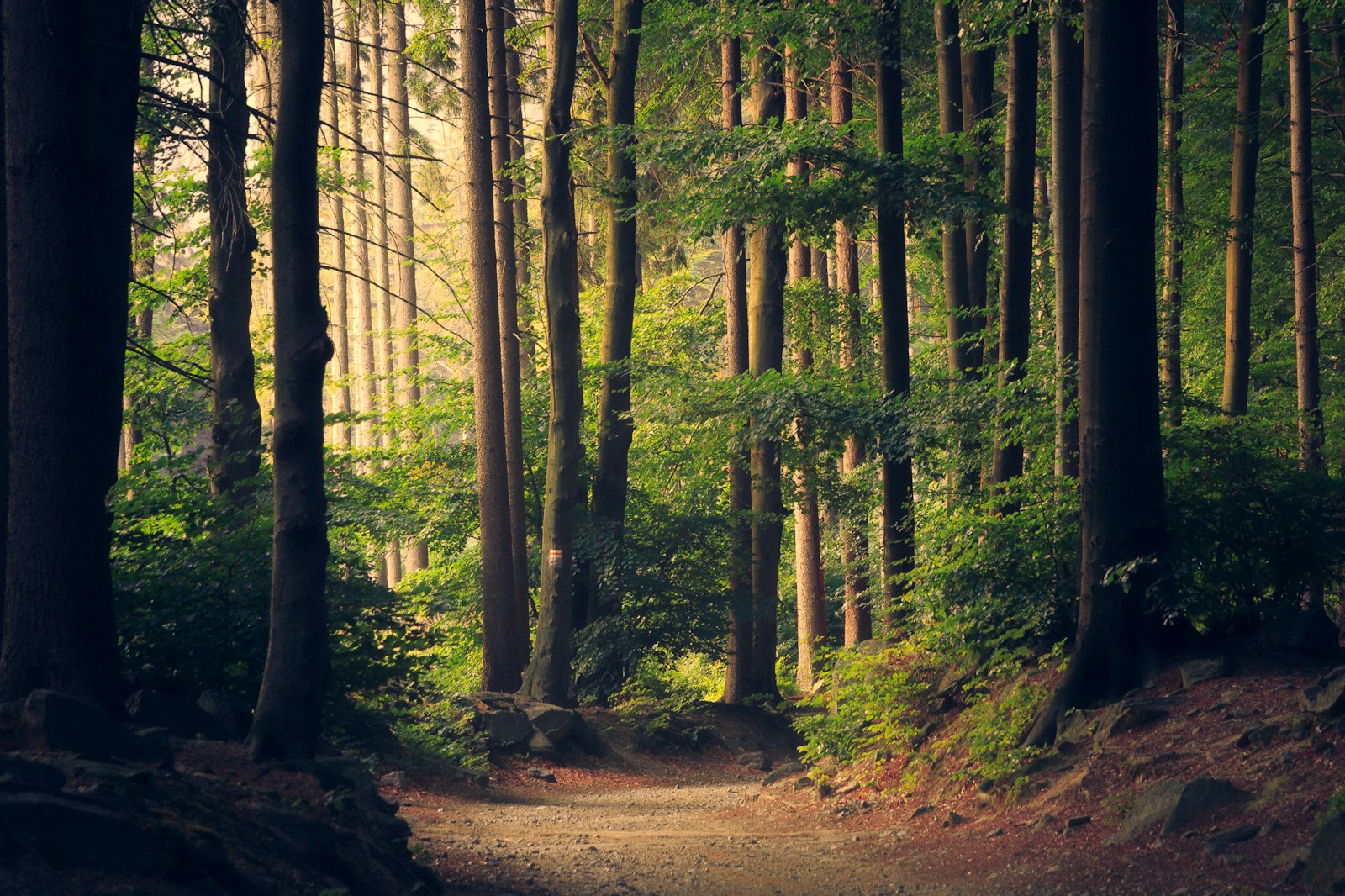
The Chouf suits travelers who want nature without losing the pleasure of village streets, traditional architecture, and long shared meals.
- Best for
- Forest walks, village architecture, and relaxed groups
- Ideal stay
- Two nights
- Choose by
- Reserve access, elevation, and the group’s walking level
Choose the village for the season
Higher locations feel cooler and may need more winter preparation. Lower villages can be practical during the shoulder seasons while still offering quick access to mountain roads. Compare drive time, not only map distance.
Make one nature visit the anchor
Set aside a clear half day for a cedar reserve or established route. Ask about current access and weather before departure. Carry water, stay on marked paths, and avoid leaving food waste.
Return before the evening rush
Buy what the group needs before checking in. A simple dinner at the chalet can be more relaxing than driving again after a full day outdoors. Choose features that suit the month, such as heating, shade, or a pool.
Choose one reserve entrance or trail area
The Chouf covers a broad mountain landscape. Select a reserve entrance and route before choosing the chalet, then compare driving time from the property. A stay that looks nearby on a regional map can still require a winding approach and a longer transfer than expected.
Use current reserve guidance for hours, weather, and suitable routes. Carry water, stay on marked paths, and choose distance and elevation for the least experienced walker. Forest time is more enjoyable when nobody is anxious about the return.
Balance nature with village life
Deir el Qamar, Beiteddine, and smaller villages can add architecture, food, and a slower social rhythm, but they do not all need to fit into one weekend. Pick one cultural anchor that lies naturally between the chalet and the planned forest area.
Ask about parking and opening information before a heritage visit. Then leave part of the afternoon unassigned. A terrace, fireplace, book, or shared meal should have time to become part of the getaway.
Let conservation guide the shape of the day
Use official reserve information and follow local staff guidance about open routes, fire risk, weather, and sensitive areas. Conditions that protect visitors also protect the forest. Stay on the marked path, carry waste out, and keep food secured. Avoid loud sound, collecting natural material, or approaching wildlife for photographs.
Group ability should determine the route. Ask about distance, ascent, shade, and surface, then choose for the least confident walker. Bring enough water and allow the return to take longer than the outward section. A shorter walk with attention to trees, light, birds, and terrain is more valuable than a target distance that strains the group.
After the reserve, spend locally without turning every village into a stop. One meal, bakery, craft visit, or heritage walk is enough. Park considerately, ask before photographing private spaces, and keep chalet noise within the property. Conservation includes the social landscape surrounding the trees.
Put It Into Practice
A Simple Plan
- 01Arrival day
Choose a village pause
Stop for provisions or a short walk, then reach the chalet while there is enough light to understand the property.
- 02Main morning
Enter the reserve early
Follow a suitable official route with water, layers, and more return time than the group expects to need.
- 03Main afternoon
Share a long lunch
Choose one village or return to the chalet, keeping the schedule open after the walk.
- 04Final morning
Keep it local
Use a nearby viewpoint, bakery, or heritage street before beginning the return route.
Save This List
Before You Go
- Current reserve guidance
- Walking shoes and reusable water
- Sun protection and a light layer
- Exact property and trail pins
- Groceries before check in
- A low impact waste bag
Useful Answers
Frequently Asked Questions
Which Chouf village is the best base?
The best base depends on the reserve entrance, season, and other planned stops. Compare actual drive times and road comfort rather than selecting a village by reputation alone.
Is a guide necessary for cedar walks?
Not for every established route, but local guidance is valuable when the group is unfamiliar with the area, conditions are variable, or a longer route needs transport planning.